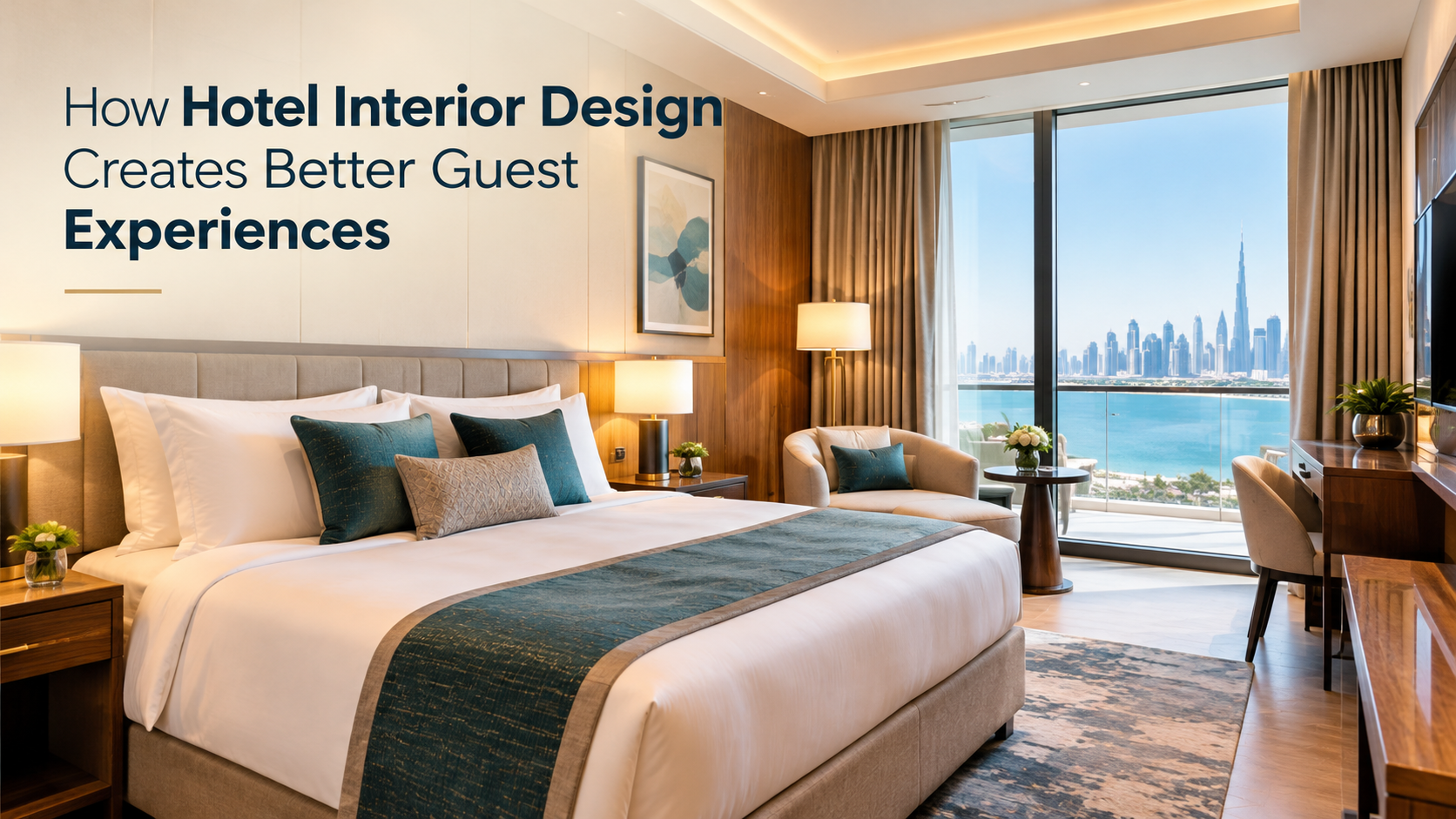
The hotel greets the visitor in the lobby area and in the inviting spaces of their rooms. Such experiences are related to interior design and their influence in the ease, welcome and relax of having such experiences. It is functional, nice colour scheme and the furnishings are nice, the atmosphere is inviting. It helps visitors orient themselves, get a good night’s sleep, visit the community spaces and connects them to the place of interest. Memorable and cohesive interior design that is guest centric.
Creating a Welcoming First Impression
Lobby is the point where the visitors of the hotel are met and the beginning of their stay. After a long journey warm lighting and cosy seating areas welcome you into the open reception area. Doors and hallways are welcoming and attention is paid to caring before someone reaches the desk to be greeted by staff.
This is a nice welcome, but it can be complemented by designers who can create plenty of room for strollers, walkways, and seating at the front desk. It provides family, group and individual travellers with the convenience of travel. The colours and materials also set the expectations. Natural wood can be used to give warmth, and a stone and a plain finish can be used to give elegance. But a good lobby can’t be just pretty; it should be easy to use, too.
Making Guest Rooms Comfortable and Practical
Space for guest accommodation should be able to offer relaxation and activities every day. The interior design is sufficient in space for all uses without overloading. Making the things simple makes the things simple like comfortable beds, bedside lighting, convenient charging points.
There are many other factors too that are important, such as the furniture layout. Beds should be easily accessible and should not have exit points that are blocked, suitcases and wardrobes should be easy to open and store. A lovely desk for working at and an armchair to sit and read in.
Design of bathrooms should be the same, thoughtfully planned. Adequate counter space and adequate light around mirrors, can reach towels. When designing rooms, all this is considered, and rooms are designed to be user friendly so guests spend less time getting used to an unknown environment.
Supporting Rest Through Lighting and Acoustics
Having a comfortable bed is not the only thing for a good night’s sleep. Guests are affected by the relaxation, sleep, wake up by light and noise. In the case of task lighting, a visitor may wish to have a light for the day, and, for comfort, a light for the evening.
Guests who arrive late in the night, or prefer to get up late in the morning, will enjoy the use of black out curtains. Another aspect of lighting for reading that designers should bear in mind is the location of the light source so that no guest will be awakened by another light.
In addition, attention should be paid to the acoustics. If designed correctly, soft furnishings, wall treatments and doors can be a useful method in noise reduction, particularly unwanted noise. In total, all these are a bedroom that’s conducive to privacy and restful sleep.
Connecting Design Decisions to Guest Needs
Potential guests have varying expectations when visiting a hotel. Fast work areas are great for business travellers and adaptable layouts and storage areas are great for families. Couples may want their own personal space and cosy area for when they spend time together.
With the support of hotel interior design services, the needs can be created into a coordinated choice of layout, materials, furnishings and lighting. That way, hotels can begin to consider how the rooms are being utilized.
The consistency is essential around the whole property. The corridors, rooms, dining spaces and lobby throughout the building should be welcoming. Residents’ satisfaction is guaranteed from start to finish.
Expressing Local Character and Identity
They can identify the place they go to when they are inside. The hotels are characteristic and local art, local materials and local patterns adorn them. These elements make these the more interesting areas than others.
Designer should be mindful of the cultural cues they use and should make them manifest. A handmade feature in the reception area or artwork in the guest rooms can enhance the area without overpowering it.
The interiors should also reflect the identity of the hotel, helping to achieve the recognition of the hotel. One of the things visitors have always remembered after visiting might be a colour scheme, a piece of fabric or painting. These all help to the overall ambiance and help to make a property memorable.
Encouraging Enjoyment of Shared Spaces
Guest rooms have dining areas, lounges and other common areas outside the room. An excellent layout allows individuals to interact, work or simply unwind the way they choose.
Lounge will also offer social seating spaces and individual spaces. There is ample comfortable seating, there is ample table space and plenty of lighting so that it looks like a place to sit and eat.
Movement of people between facilities should also be considered by the designers. Signage and wayfinding is clear and easy to understand; visitors can navigate with confidence. The different seating areas and handy facilities offered and accessible movement corridors make the hotel more accessible to more guests.
Turning Thoughtful Details into Lasting Memories
A well-organized bathroom layout, a great reading corner or a room at the end of the day to relax quietly can make someone’s visit special. These occur due to the choices made in the design based on form and function. Restaurants, washrooms, lobbies and similar interiors are good to a hotel if they are required, and if the staff are using them to perform their responsibilities for the good of the guests. Hotels can enhance their property to be more inviting, more comfortable and more unique, and consequently make their guests more appreciative of it, and return to stay again.