Introduction
The functionality, durability, safety and physical appearance are some of the considerations made in the interior design of a gym. It may be a professional gym, a studio or a home gym, but the choice of materials and layout directly influences user experience, motivation and productivity. A good gym is not only going to enhance the performance of the exercise, but it will also create a favorable environment of friendliness and energy that will encourage one to exercise. The identity and usability of the space are highly contributed to by flooring, lighting, zoning and flow of spaces, among others. In this paper, the author discusses the materials and layout ideas that are needed to create a proper and inspiring interior design in the gym.
The Choice of Flooring Materials to be Used Should be long-lasting and Comfortable
The flooring aspect is among the most significant ones when designing the interior of a gym, as it determines safety, minimization of noise, stability of the equipment, and comfort of the individuals utilizing it. The flooring material used ought to be capable of supporting constant movement of people, fallen loads and heavy exercise equipment, as well as provide adequate cushioning. What makes rubber flooring one of the preferred choices is its shock absorber material, anti-slip and massive durability. It lowers the noise level during high-impact workouts and provides a stable free weight platform and resistance machines. Some of the specific areas that rubber tiles or rolls can be used include weightlifting, cardio area, and functional training.
Style, Functional and long-lasting Wall Materials
The walls do matter regarding the nature and the strength of a gym’s interior. They are expected to be waterproof, clean constantly and hold machinery such as mirrors and mounted machines. The most suitable in terms of keeping clean and hygienic are the washable wall paints and the moisture-resistant ones. It is a common practice in commercial gyms for engineers to use reinforced drywall or cement board where heavy equipment can be in contact with the wall.
Gym walls, dance studios: mirrors are a crucial material, particularly in strength training. These help them to remain in the right position and to create a visual effect that makes the room appear bigger and more open to the viewer. classes, creating a more comfortable environment for users. These panels, whether fabric-covered, foam-filled, or wood-slatted, offer both high performance and stylish appeal, making them an excellent addition to modern gym interior design. The wall types that are also exposed to be used in creating the desired visually striking atmosphere are the exposed brick, wood panels, and concrete finishes. These design choices will help the gyms to make their own unique brand name as well as a vibrant ambience.
Lighting Maintenance and Ceiling Materials
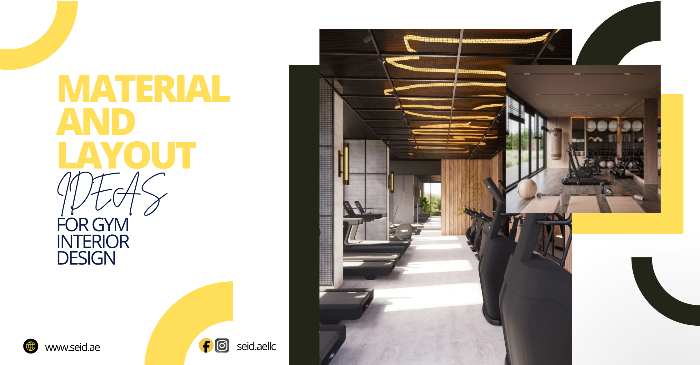
Ceilings of a gym will have to be furnished with lighting, vents, and acoustic control materials. Commercial gyms tend to utilize drop ceilings or suspended ceilings because of simple access to air conditioning systems and wiring. The other tendency is the exposed industrial ceilings, present even in contemporary fitness studios, with the designers focusing on rough textures to obtain a bold and exciting effect.
Lighting is highly important in the establishment of the mood. LED lights would be the best alternative due to their long lifespan and low energy consumption. In cardio and strength zones, it is possible to use cool white lighting, which helps to wake up, whereas in yoga and wellness zones, it is possible to use warm lighting, which helps to relax. The environment can be made more immersive with indirect lights (cove lights, hidden lights, etc.), especially when it comes to a boutique fitness studio, which considers the environment as part of its brand.
Planning and Strategic Planning: Zoning and Functional Planning
Gyms are highly sensitive spaces in which efficient zoning is one of the keys to a successful interior design. The layout planning will offer effective movement flow, enhanced safety, and the contentment of the customers. There is a need to partition the space into functional areas to ensure that the room is well organized and the use is as efficient as possible. The cardio machine should be positioned in one area, strength in another and a functional training or stretching area in another. This compartment allows free movement of the users within the gym and avoids overcrowding.
The reception spaces within the commercial gyms will be positioned near the entrance so that they can be seen immediately. Bathrooms and changing rooms must be strategically located, but at the same time not too close to each other to provide privacy.
Application of Mirrors, Glass Dividers and Space-Enhancing Elements
The use of mirrors can be avoided in a gym since they are functional and also entertaining. They help individuals to achieve their posture, monitor the patterns of movements, and are motivated by monitoring their progress using their eyes. The fact that enormous mirror panels are also used creates an illusion that there is a larger and more spacious room, and the gym itself does not appear to be confined.
Selection of the Gym Equipment to accompany the Interior Design
One of the main problems that influences the space planning and the general design is the gym equipment choice. The gym equipment now comes in varied designs, colours and finishes to ensure that the equipment can be matched with the interior themes by the designers. The black and metallic finishes are quite modern and professional indeed, and the neutral colors are quite minimalistic. The equipment should be secure and convenient, which is possible only with its proper organization. The design of cardio facilities like treadmills and bikes is often placed close to the window in order to access natural light.
Creation of a Motivating Environment by way of Decorations and Branding Factors
The interior design of the gym is not necessarily about first impression decor. Identity may be created by signage, branding and graphics on the walls, and more user interaction can be achieved. Personalized wall art, LED lights, and theme-based decals create a distinctive experience and establish the brand identity of the gym. Interactive lighting systems and digital screens are implemented in the boutique gyms to create the impression of being immersed in the working process.
Conclusion
The materials and layout options make up the foundation of a winning gym interior design. The flooring should be robust, firm and stable, and the walls, ceiling and lights should facilitate the functions and the style. Strategic zoning also offers user circulation and security, and integration of mirror, glass segregation and smart arrangement of equipment is also employed to facilitate the establishment of a roomy and conducive atmosphere. Bringing a combination of the practical materials and thoughtful planning of the layout, the designers will have the possibility to design the gym spaces that will be both appealing to the eye and practical, as well as contributing to delivering the gym experience of the high quality. The materials and design solutions used in the design of a commercial fitness center or a home gym will assist in transforming any area into an inspiring location to stay healthy and fit.